Photography is how I get off a screen, and astrophotography is how I end up right back at one.
Most of it is patience plus arithmetic: point at the same patch of sky for a few hours, then stack hundreds
of frames so the faint signal adds up while the noise averages out.
Click any photo to see it full size.
A night compressed into nine seconds. Each new frame is added on top of the last, so the trails
grow as the sky turns. This is the same stack that produces a single star trail photo, just played back
while it builds.
Deep sky
Things too faint to see with your eyes, pulled out of the noise by stacking hundreds of frames.
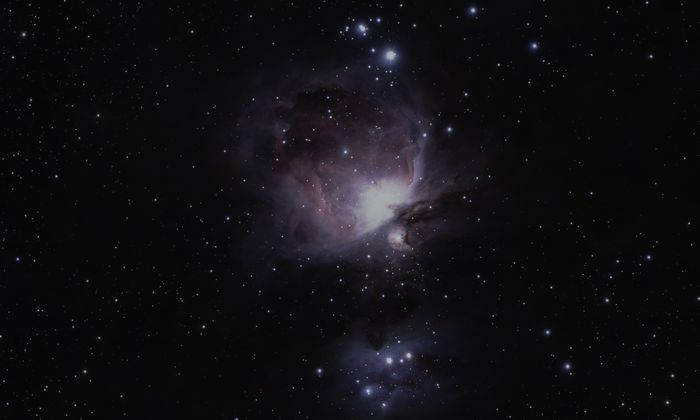
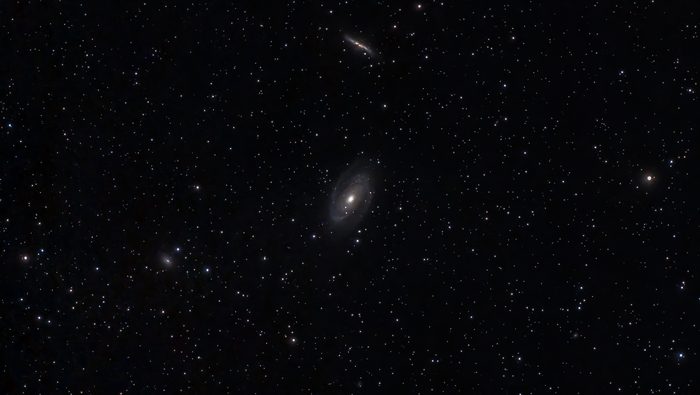
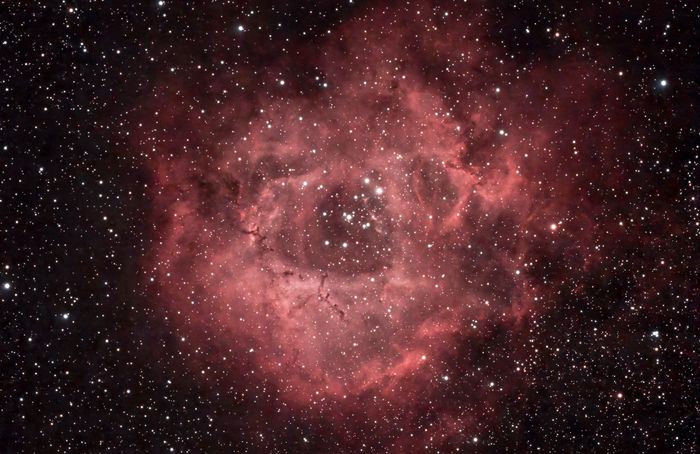
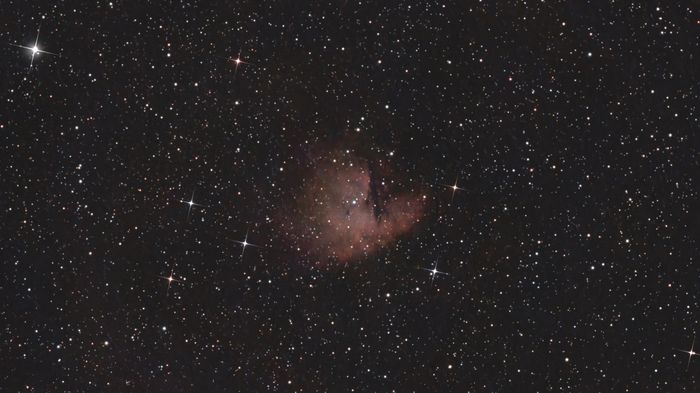
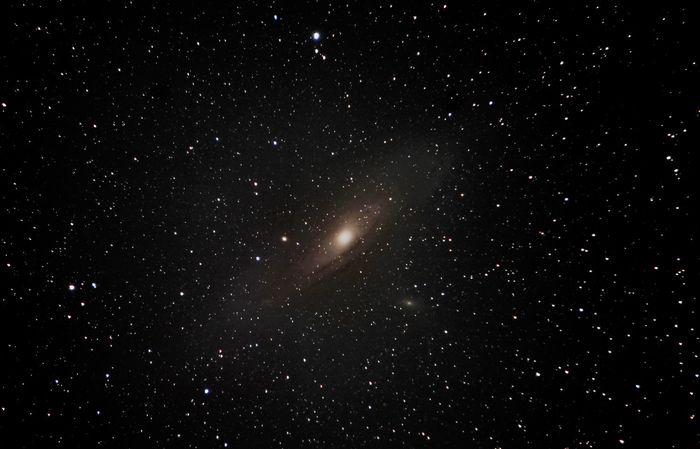
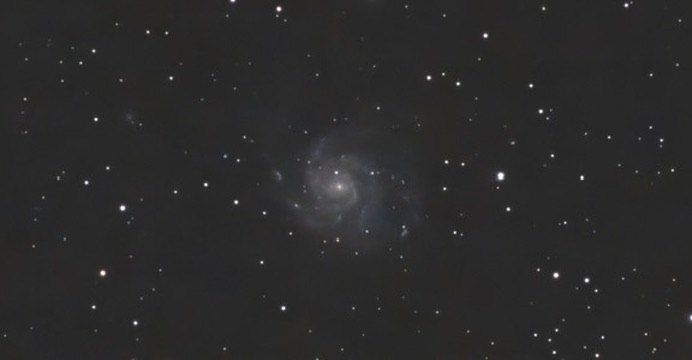
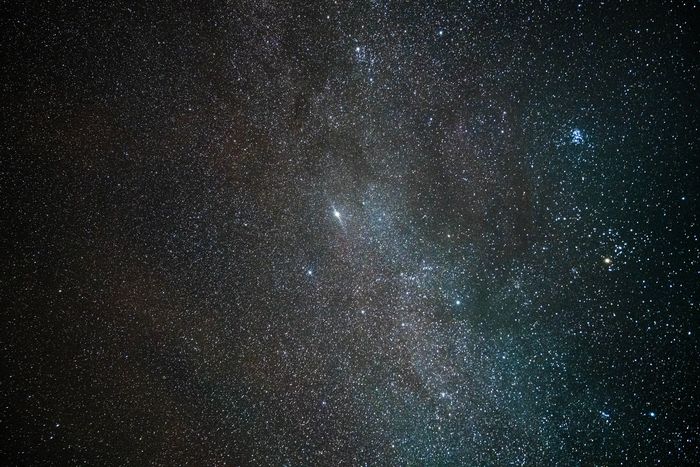
The Orion Nebula, with the Running Man just above it.Bode's Galaxy and the Cigar Galaxy, a pair about 12 million light years out, with a third galaxy tucked in below them.The Rosette Nebula, roughly 5,000 light years away and invisible to the naked eye.An emission nebula glowing in hydrogen red, set in a dense starfield.Andromeda, about 2.5 million light years out and the furthest thing you can see unaided.A face-on spiral, arms and dust lanes and all.
Solar system
The close neighbours, which have the opposite problem: far too bright.
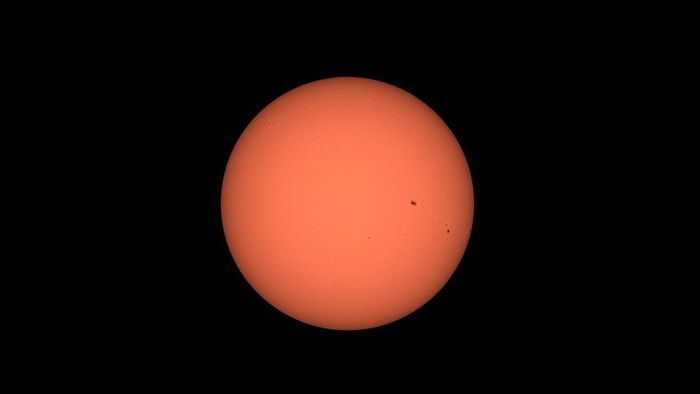
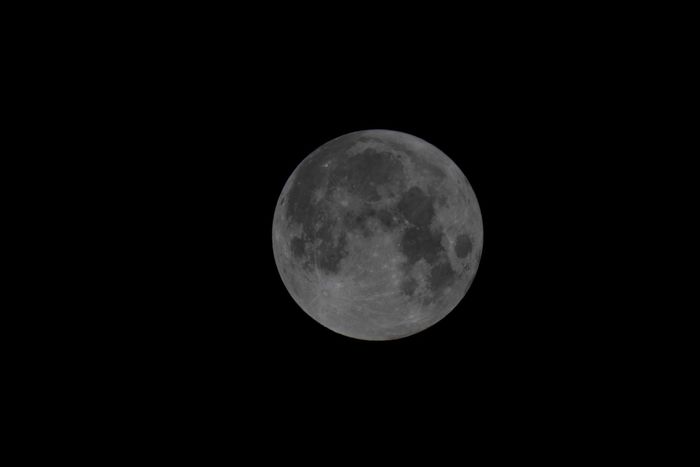
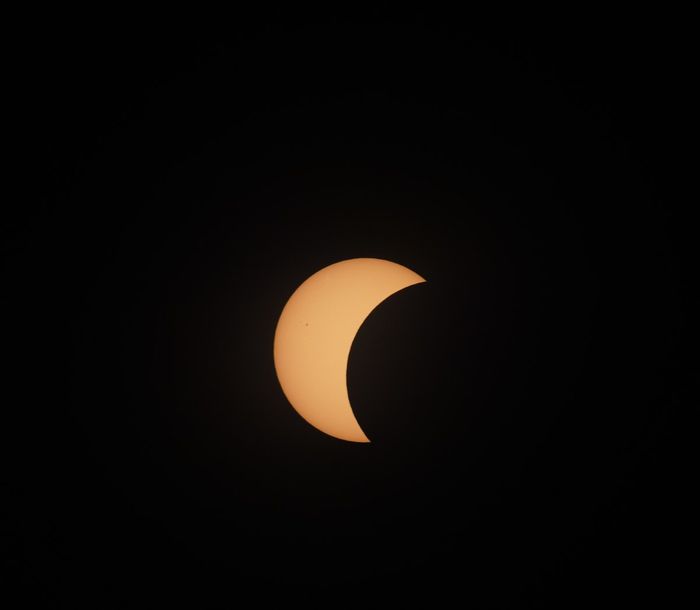
The Sun through a solar filter, with a scattering of sunspots.A full Moon, where the craters along the edge show up best.The 2024 solar eclipse, caught partway through.
Star trails
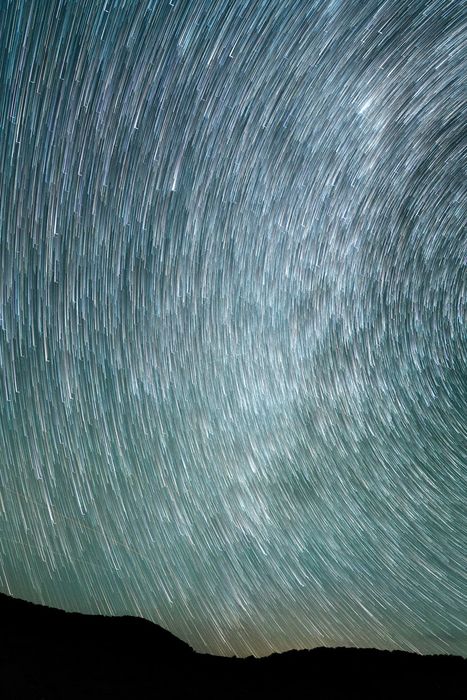
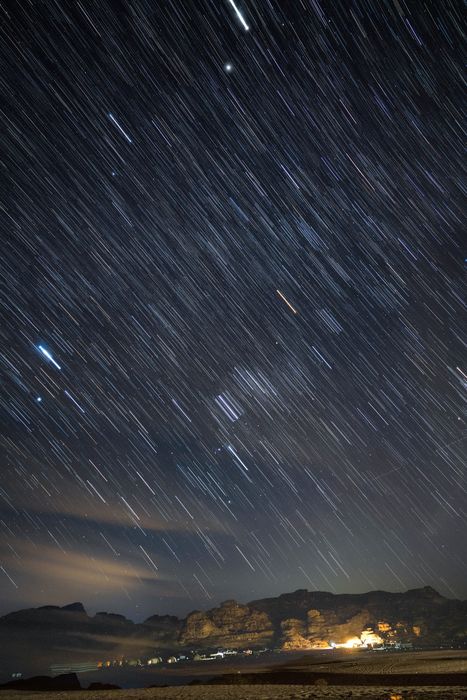
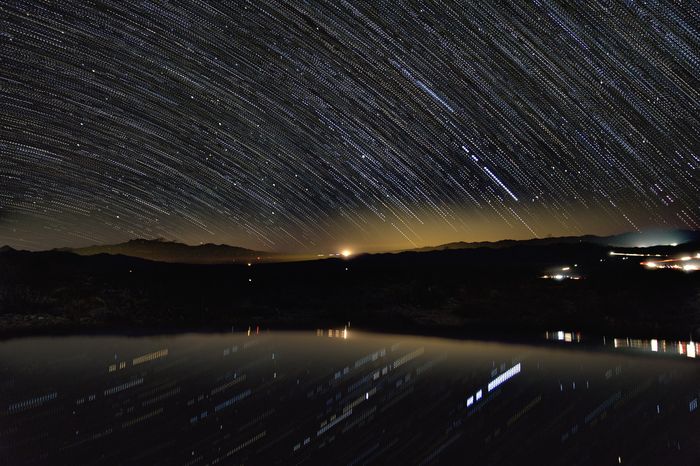
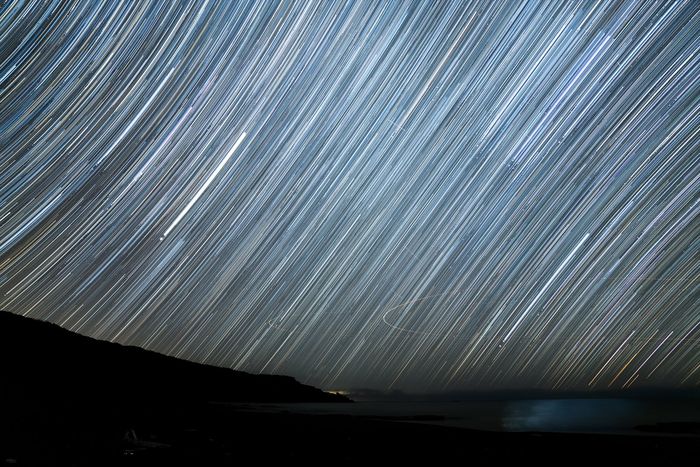
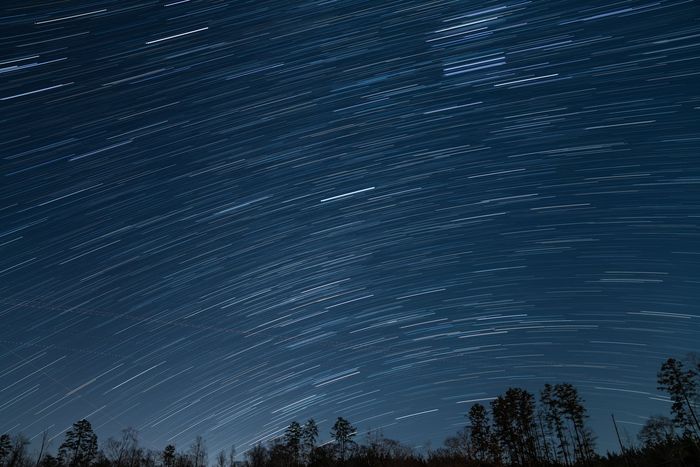
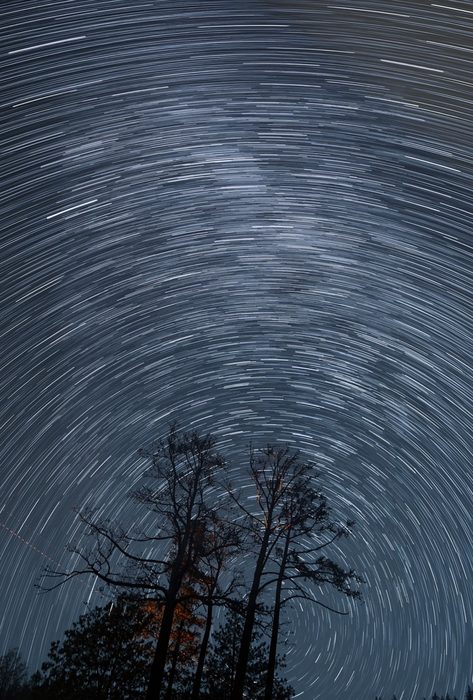
Hundreds of exposures laid on top of each other until you can watch the planet turn.
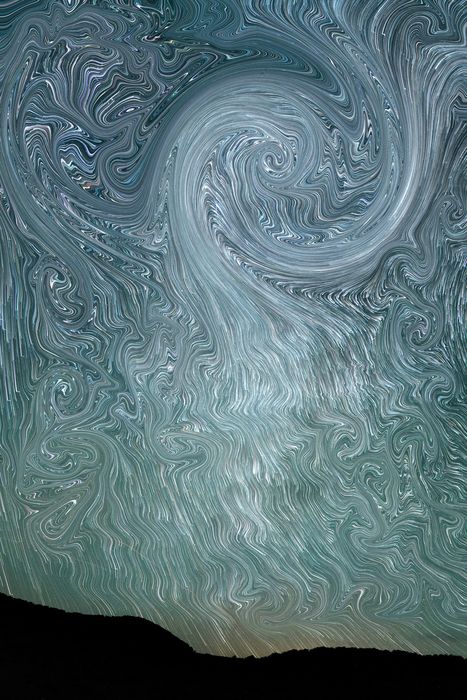
Concentric arcs around the celestial pole. Everything turns around one fixed point.Long diagonal trails over a camp in Wadi Rum.Dashed trails and their reflection. The gaps are the pauses between exposures.Trails over a ridge, with the second camera working away in the foreground.Trails running down to the water.Shorter trails, where you can still pick out individual stars.Trails wheeling around the pole above a stand of pines. Hours of rotation in one frame.The same kind of stack run through a heavy stylize filter, mostly to see what would happen.
Aurora
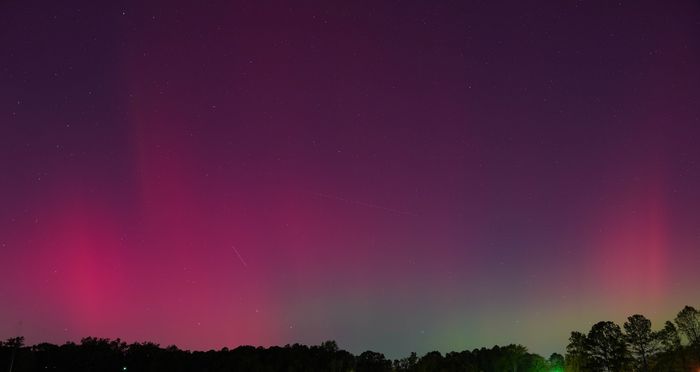
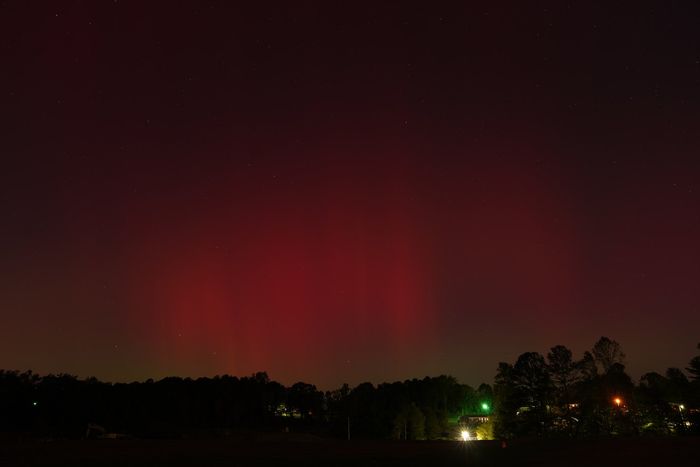
Two nights when the solar storm reached far enough south to be worth driving for.
Pink curtains over the treeline, with a green band along the horizon.Deep red pillars. The camera sees this far more clearly than your eyes do.
Nightscapes
Wide shots where the sky and the ground both get to be in the photo.
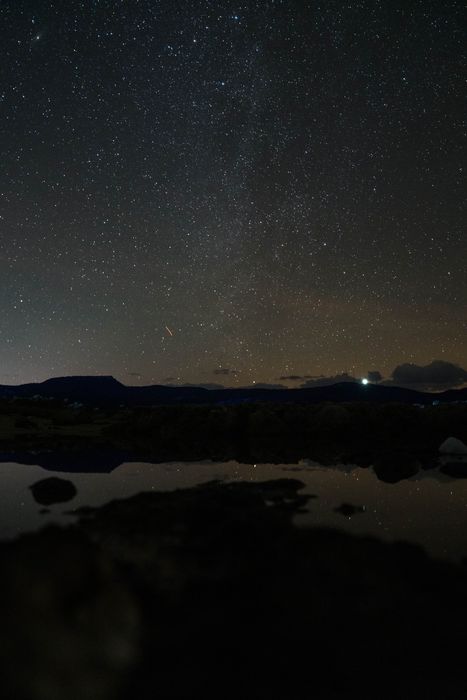
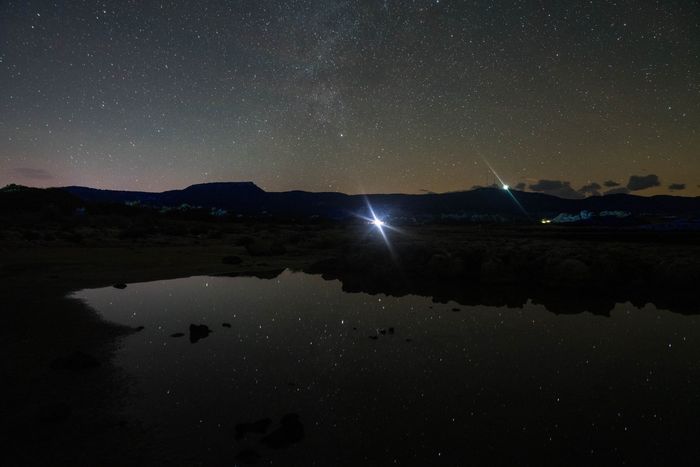
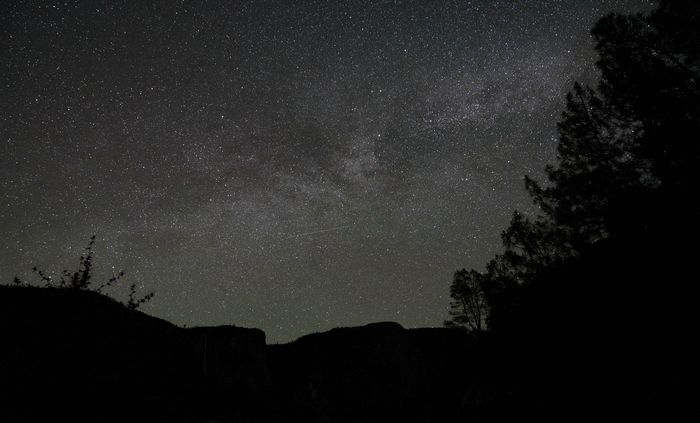
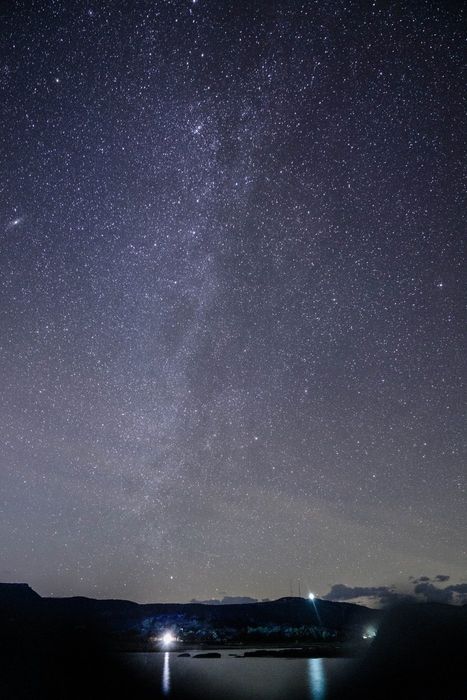
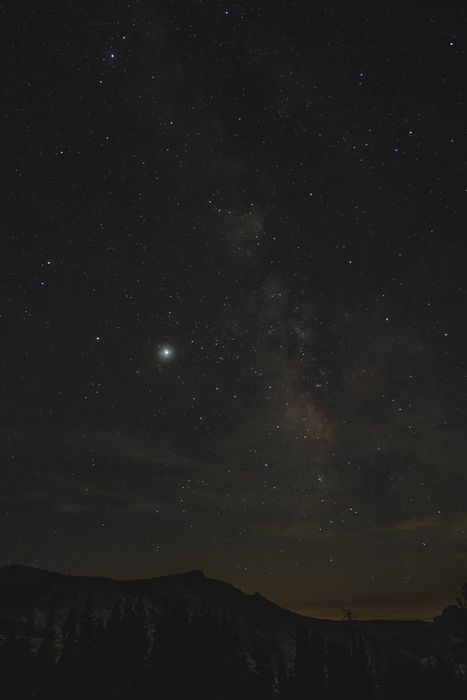
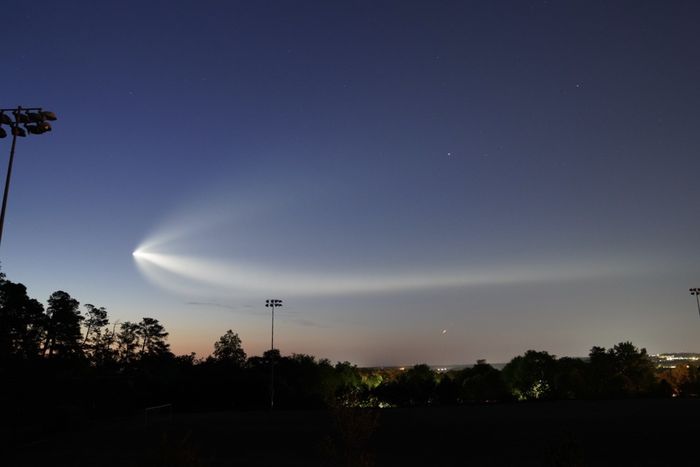
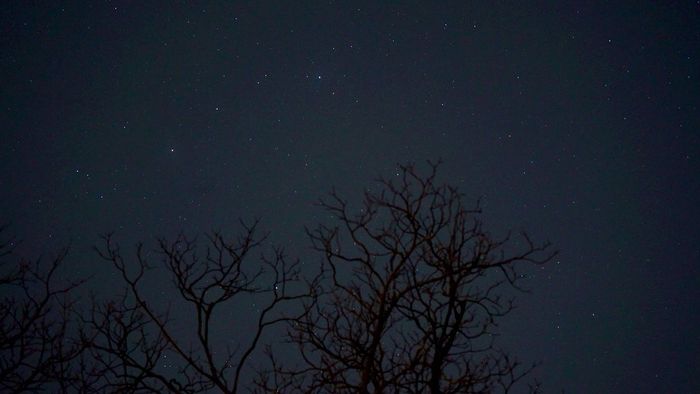
The core standing straight up out of a still lake.A stray light on the far shore, bright enough to lay a line all the way across the water.The galaxy stretched over the canyon rim at Hetch Hetchy.Straight up into the core, where the star count stops being countable.Another night, another lake, the band running top to bottom.The core over a mountain ridge, with one bright point of light off to the left.A Falcon 9 plume catching the last of the sunlight at altitude, long after sunset on the ground.Bare branches against a winter sky.
Behind the scenes
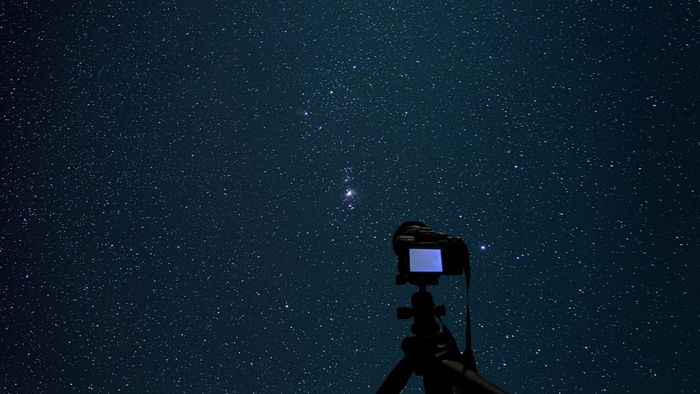
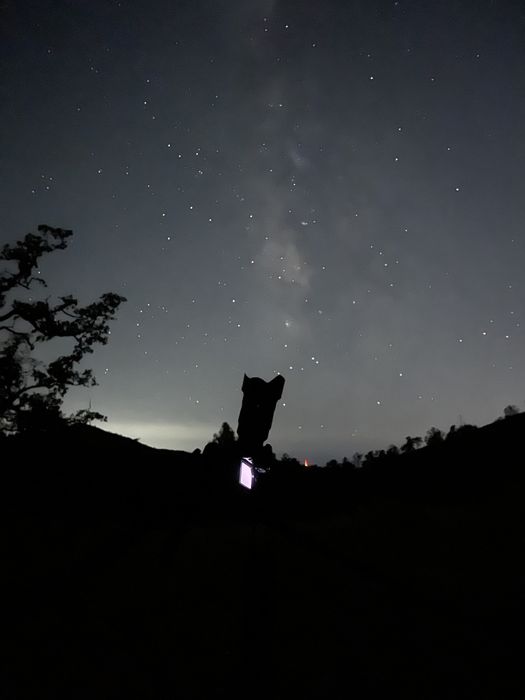
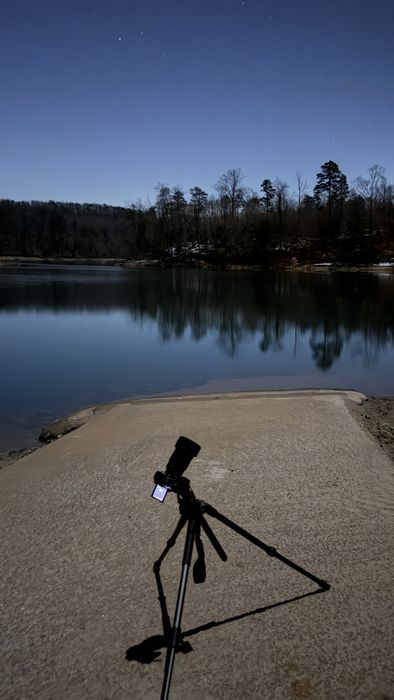
What this actually looks like from the ground: one camera, one tracker, and a lot of standing around in the cold.
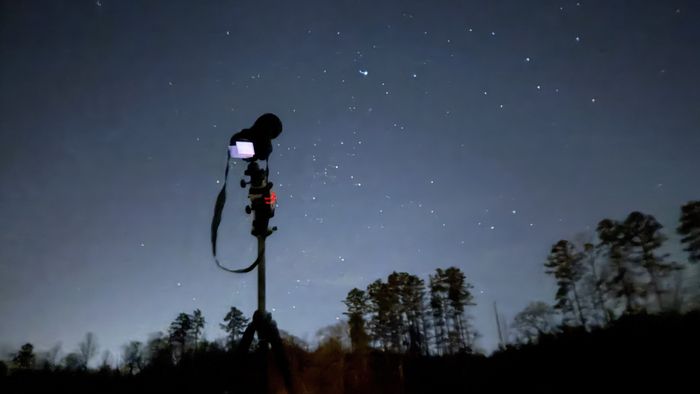
The rig mid-session, screen glowing, slowly following the sky.Same setup, pointed at the core.This one looks like a sunny afternoon, but it was taken at night. Leave the shutter open long enough and the scene lifts all the way back to looking like daylight.